Step 01
Send us your bill
Take a photo of your MERALCO, VECO or Davao Light bill. We'll work out how much power you use and what you're really paying per kWh.

We read your bill, work out what size you need and what you’d save, then match you with installers we’ve checked ourselves. And we stick around through the install.
Solar only works when all three sides show up with the same numbers. Pick your side.
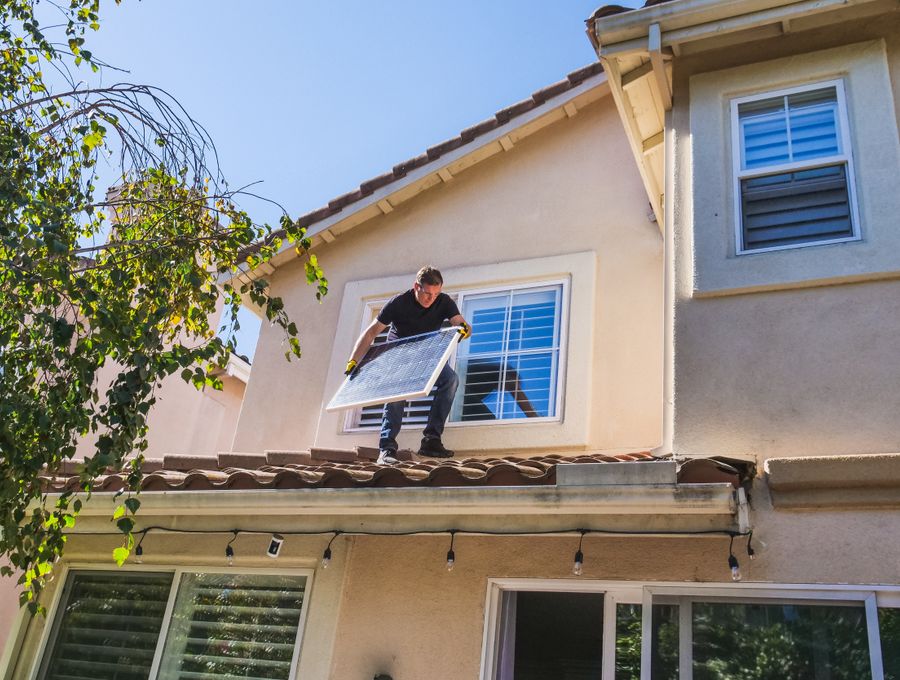
Know your size, your all-in price and your monthly saving before a single installer has your number.
See my free estimate
Meet homeowners who already know their system size and their budget. No cold lists, no chasing.
Apply to join
Every borrower arrives with a real electricity bill behind them, and performance you can audit.
Talk to usThree steps, about three minutes. Then we help you take it from there.
Take a photo of your MERALCO, VECO or Davao Light bill. We'll work out how much power you use and what you're really paying per kWh.
Satellite images show us how much roof space you have and which way it faces. That tells us what size system your home needs.
See your full price, your savings and your financing options, then get matched with trusted installers near you. We stay with you through the install and keep an eye on your savings after.
I could finally see what solar would actually cost for my home before committing to anything — no pressure, no guesswork.
I spend less time chasing cold leads and more time on roofs. The homeowners who reach out already know what they're looking for.
As a founder myself, I know a straight, honest number when I see one — Apolaki gives Filipino homeowners exactly that before they commit.
Most homes pay around ₱50,000 to ₱65,000 per kilowatt installed, so a typical 5 kW system usually lands between ₱250,000 and ₱325,000. Where you land depends on the equipment, how tricky your roof is, and whether you add a battery. The honest answer is that it really comes down to how much power you use, which is why we start with your bill instead of handing you an average.
Yes, and it stays free. No card, no trial, no catch. We earn from installer partners who get to meet homeowners who are genuinely ready, never from selling your contact details.
No. Installers can't see your name, number or address unless you say yes to an introduction. Before that, all they see is your city, a rough bill range and the system size you'd need. That's built into how the product works, not just written in a policy page.
We use satellite images of your actual roof, sunshine data for your location and your real electricity bill, so it lands a lot closer than a generic online calculator. It's still an estimate until a licensed installer visits and confirms the design. We show you every assumption we used, so you can check our thinking.
On its own, no. A normal solar system shuts off during a brownout so it can't send power into lines that linemen are working on. If you want your lights to stay on, you'll need a battery and a different kind of inverter. We'll flag that in your report and show you what it adds.
It lets you send extra solar power back to the grid and get credits on your bill. Under RA 9513 anything up to 100 kW qualifies, which covers every home system. The credit comes at the generation rate, roughly half of what you pay, so it's usually smarter to size your system around what you use during the day than to go as big as possible. Full net metering guide.

Grab your latest electricity bill. Three minutes from now you'll know whether solar makes sense for your home.